
Know whether to invest, and on what terms.
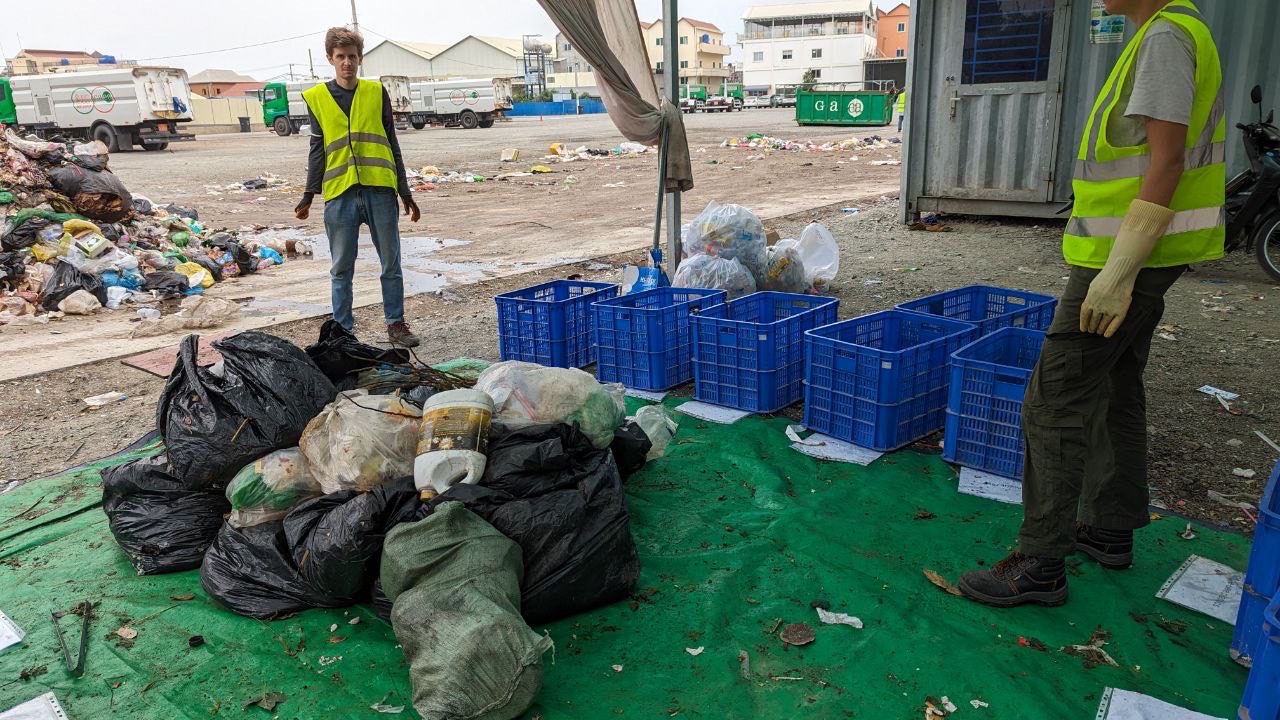
Before you commit funds or decide whether to finance a project, you need to know who will pay, whether the technology fits local conditions and whether the numbers hold up. We collect the evidence that does not exist yet, down to the informal sector, compare options and recommend whether to proceed, on what conditions, or to stop.
Talk to us about your projectA project exists on paper. The data to decide does not.
A compost plant, a wholesale market, an ecotourism reserve, a battery park, a digital public service. Companies and developers carry the project; a fund or a development bank has to decide whether to finance it.
- Is there a real market, and who will pay?
- Does the regulation allow it, and will the authorities support it?
- Does the technology hold up in this country, at this scale?
- Does the business model generate enough revenue, under which assumptions?
- What environmental, social, gender, and health and safety risks are we taking?
From field data to a clear recommendation
- 01Gather the missing evidenceField surveys, characterisation, interviews with market players and informal workers.
- 02Assess demand, competition and regulationWho buys, who competes, which rules apply, who decides, and whether the project is feasible under current regulation.
- 03Compare technical optionsCost, performance and fit with local conditions, with an engineering partner where needed.
- 04Build the business modelEconomic and financial model, with sensitivity analysis.
- 05Assess the risksEnvironmental, social, gender, and occupational health and safety risks, and how to reduce them.
- 06RecommendGo ahead, go ahead on conditions, or do not go ahead.
A feasibility or pre-feasibility report, a financial model with sensitivity analysis, a risk assessment and a recommendation for your investment decision. We also carry out cost-benefit analyses and financial due diligence.
Depending on the scope, the study can also include an environmental and social management plan, a gender action plan, an occupational health and safety plan or tender documents. We can also bring in the ministries and development agencies concerned early, and facilitate the dialogue with them, so the project is known and supported before it seeks financing.
Could sorting, recycling and composting work across four cities?
- The problem
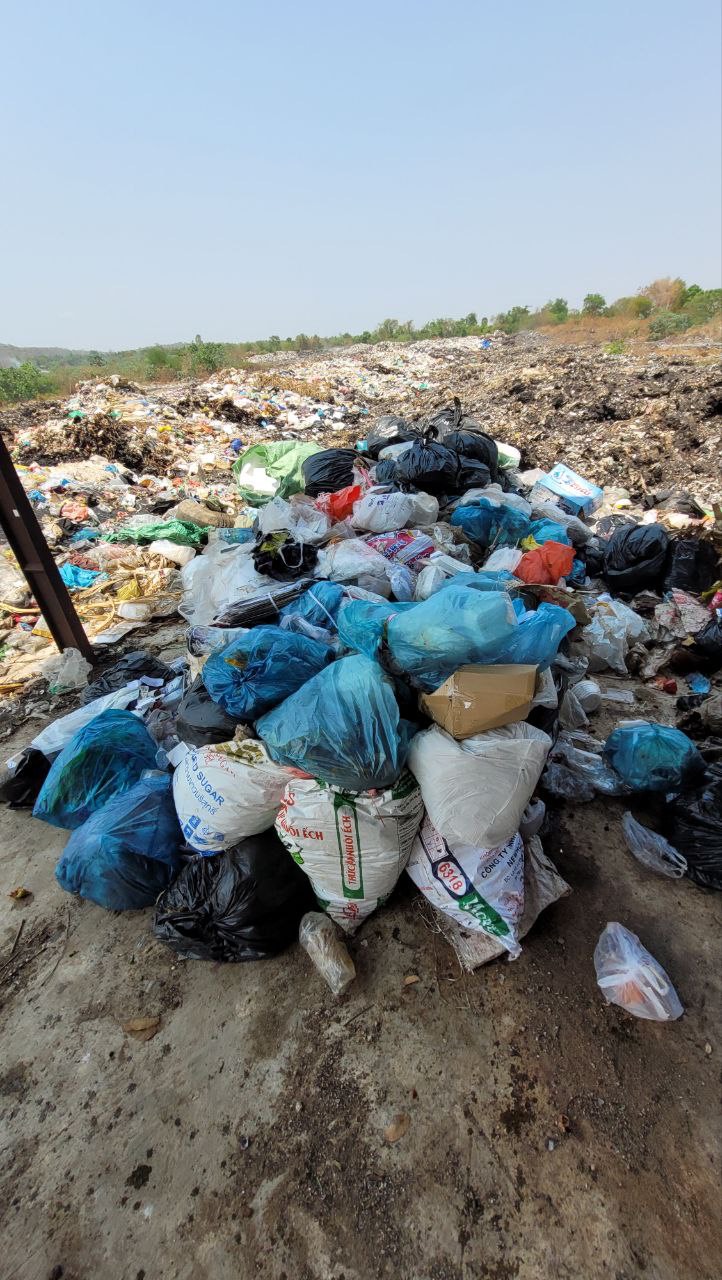
- A waste collection company in four cities wanted to modernise its fleet and move into sorting, recycling and composting. An investor was looking at the project. No one knew what the waste contained, nor whether compost and recyclables would find buyers.
- Our role
- Lead of a consortium, with an engineering firm for the technical part.
- What we delivered
- Waste characterisation at disposal sites and with informal waste pickers; market and regulatory analysis; business models for four facilities over several years; a plan to include informal waste pickers, on whom both supply and social acceptance depended.
- What made the difference
- Informal waste pickers knew where the waste went and which materials already found buyers. Their knowledge of the flows was essential to the analysis: both the supply of materials and the social acceptance of the facilities depended on them.
- What happened next
- Following the study, the company is set to receive investment from a European public investor.
31 feasibility studies since 2015
Solar, wind, batteries and hydrogen; waste and recycling; tourism; digital public services; transport; food markets; water.
- Grid-scale battery storage, a first of its kind in Cambodia (2025)
- Digital infrastructure for e-government (2025)
- Ecotourism reserve, pre-feasibility (2025)
- Wholesale food market, market and feasibility study (2026)
“Knowledge of local context, sector and stakeholders. Because previous services were satisfactory, we were more inclined to try again with Sevea.”Country Representative, international NGO
Still deciding whether to invest?
Tell us what you need to decide, what you already know and where the evidence is missing. Start the conversation while the project can still change.
Discuss your feasibility study